How to Protect Your Food During a Blackout: Essential Safety Tips for Emergencies
When the power goes out unexpectedly, keeping your food safe becomes a top priority. Without refrigeration, temperatures inside your refrigerator and freezer rise quickly—putting your family at risk of food spoilage and foodborne illness.
The good news? With the right steps, you can significantly extend the life of your food and reduce waste during a blackout. At Koko’s Emergency Products, we help families stay prepared for emergencies with simple, practical strategies that protect what matters most.
Here’s how to protect your food during a blackout and keep your household safe.
1. Keep Refrigerator and Freezer Doors Closed
This is the most critical rule during a blackout.
Every time a door is opened, cold air escapes—reducing safe storage time by hours.
To maintain safe temperatures:
Keep the fridge closed as much as possible.
Avoid opening the freezer entirely for the first several hours.
Approximate safe times:
Refrigerator: up to 4 hours (left closed)
Full freezer: up to 48 hours
Half-full freezer: up to 24 hours
2. Use Ice Packs, Ice Bags, and Frozen Water Bottles
If you prepared ice ahead of time (or have access to ice), use it to maintain cold temperatures inside your coolers or refrigerator.
Effective cold sources include:
Reusable ice packs
Bags of ice
Frozen water bottles
Frozen juice pouches
Tip: Place ice on the top shelf—cold air sinks and cools the rest of the fridge.
3. Move Critical Foods Into a Cooler
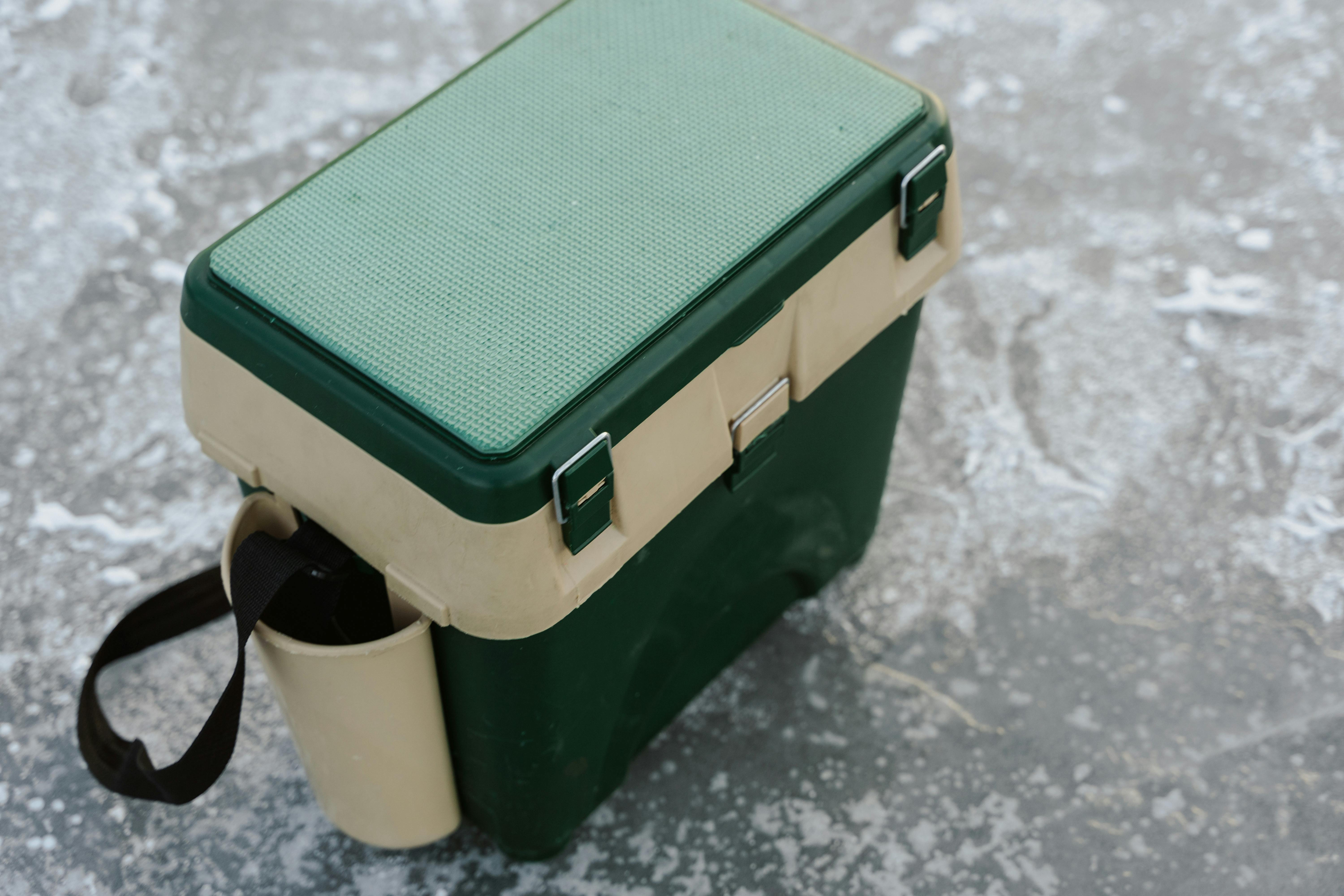
If your refrigerator begins warming up, move essential items into a high-quality insulated cooler.
Store items such as:
Dairy
Meat and poultry
Eggs
Leftovers
Fresh produce that spoils easily
Add ice or frozen packs and open the cooler only when necessary.
Koko’s Emergency Products recommends keeping a dedicated emergency cooler to avoid rummaging through your everyday cooler during an outage.
4. Keep a Food Thermometer Available
When temperatures rise, a simple mistake can lead to foodborne illness.
Follow the golden rule:
If food reaches 40°F (4°C) for more than 2 hours, it is unsafe to eat.
Use a refrigerator thermometer or instant-read food thermometer to check temperatures.
This prevents guessing—and ensures your family stays safe.
5. Group Frozen Items Together
If you must open the freezer briefly, try to group frozen items tightly together.
Why this helps:
Blocks of frozen food stay cold longer.
Less air space warms the freezer more slowly.
Items insulate each other, extending safe time.
This technique can easily add hours of extra safety during prolonged outages.
6. Use Alternative Cooking Methods Safely
Some perishables may need to be cooked before they spoil. During a blackout, consider using:
Propane stove
BBQ grill
Outdoor camping stove
Rocket stove
Charcoal grill
Never cook indoors with propane or charcoal—this causes toxic carbon monoxide buildup.
Koko’s Emergency Products carries safe options for emergency cooking and heating.
7. Prioritize Foods That Spoil Fast
If the outage lasts longer than expected, use or cook foods in the following order:
Fresh dairy products
Fresh meats and poultry
Fish and seafood
Cooked leftovers
Cut fruits and vegetables
Soft cheeses
Egg-based dishes
Keep canned foods and shelf-stable items for later when perishable supplies run low.
8. Know Which Foods Are Safe to Keep
Not all foods spoil immediately. These foods are generally safe even if the fridge warms:
Hard cheeses
Fresh whole fruits
Whole vegetables
Bread
Jelly, jams, condiments
Butter
Pickles
Mustard and ketchup
Soy sauce
Vinegar-based foods
During emergencies, knowing what’s safe reduces waste and helps stretch your food supply.
9. Discard Unsafe Food—Your Health Comes First
If any food:
smells strange
looks off
feels warm
has been above 40°F for more than 2 hours
throw it away immediately.
Food poisoning during a disaster can be dangerous—medical help may be limited or delayed.
When in doubt, throw it out.
Stay Prepared With Koko’s Emergency Products
Blackouts can strike without warning, but your family doesn't have to be caught unprepared.
By taking quick action and having the right supplies on hand, you can:
Keep your food safe
Prevent unnecessary waste
Stay nourished during emergencies
At Koko’s Emergency Products, we offer:
Emergency food kits
Non-perishable meal supplies
Backup cooking gear
Power outage essentials
Long-term food storage solutions
Preparedness isn’t panic—it’s protection.