What can go wrong without water in a disaster: Understanding the Real Risk of Losing Water in an Emergency
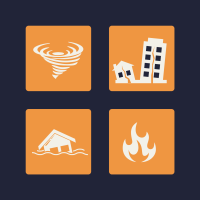
We often take running water for granted — until it’s gone. During hurricanes, tornadoes, floods, earthquakes, prolonged heat waves, freezing conditions, and grid failures, clean water can become one of the first and most critical resources to disappear.
Water systems can fail, become contaminated, lose pressure, or simply run dry. When this happens, everyday living becomes difficult, and health risks can escalate quickly.
Understanding the challenges before an emergency helps ensure your family is prepared and protected.
1. Water Can Become Contaminated
Floods, damaged pipes, broken sewer lines, and chemical runoff can make tap water unsafe.
Contaminated water can carry:
Bacteria
Viruses
Parasites
Sewage
Chemicals / pollutants
If the water is contaminated:
Do not drink it
Do not cook with it
Do not brush teeth with it
Do not wash wounds with it
Boil advisories can last days or weeks, and water distribution centers may have long lines.
2. Hydration Becomes a Life-Sustaining Priority
The human body can survive far longer without food than without water.
Adults need at least 1 gallon per day (more during heat).
Children, seniors, and sick individuals may need more.
Dehydration can set in within hours, especially in heat or stress.
Symptoms of dehydration include:
Headache
Dizziness
Confusion
Fatigue
Dry mouth
Rapid heartbeat
Water is not optional — it is essential.
3. Without Water, Cooking Becomes Difficult
Many emergency foods require:
Water to boil
Water to mix
Water to rehydrate
Without enough clean water:
Meals become limited
Nutrition decreases
Stress increases
4. Washing and Personal Hygiene Become Challenging
Without clean water:
Hands cannot be washed
Injuries become vulnerable to infection
Cooking surfaces can become contaminated
Clothing and bedding cannot be rinsed
This becomes a problem especially for families with:
Children
Seniors
Pets
Hygiene is vital for health and morale.
5. Toilets Do Not Work Without Water
When water pressure drops or the supply stops:
Toilets cannot be flushed
Sewage may back up into the home
Restrooms become unusable
This is why portable toilets and emergency sanitation kits are critical during evacuations or shelter-in-place situations.
6. “Bad Water” Can Be Worse Than No Water
Drinking contaminated water can cause:
Severe vomiting
Diarrhea
Dehydration
Hospitalization
In an emergency, medical help may not be available — preventing contamination is essential.
7. Not Having Enough Water Is a Preventable Problem
A minimum recommendation is:
1 gallon per person per day for drinking and basic hygiene
More for heat, cooking, pets, or medical needs
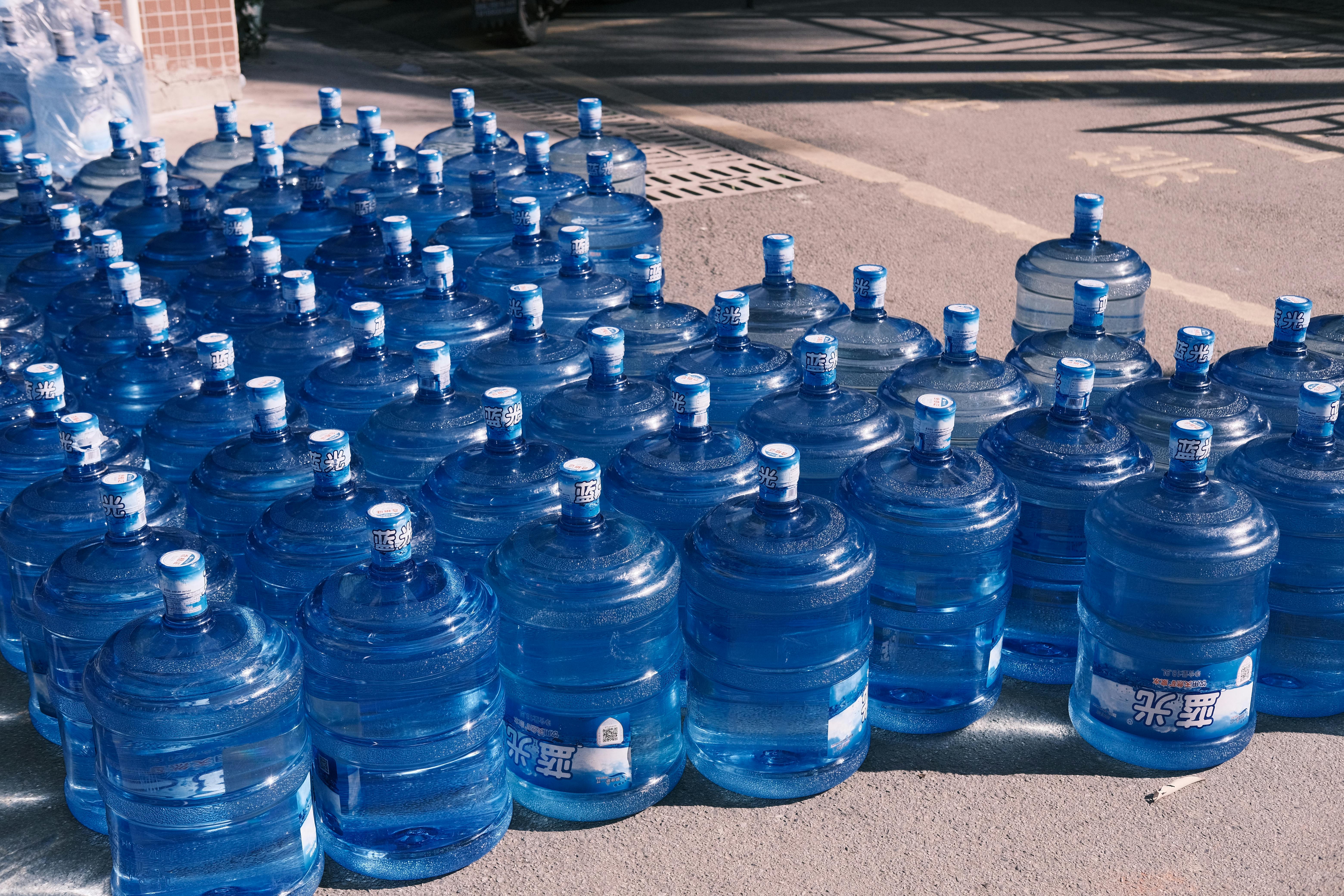
Two-week supply stored before disaster season
Water is inexpensive — but becomes priceless when unavailable.
8. Waste Water Must Be Managed Safely
Used or dirty water must be handled in a way that:
Prevents illness
Does not attract insects or animals
Protects living spaces
Improper water disposal can create rapid disease spread.
Be Prepared with Reliable Water Solutions
Available at KokosEmergencyProducts.com
Water Storage Containers & Barrels
Personal Water Purifier Straws
Portable Gravity Water Filters
Water Purification Tablets
Solar Water Pasteurizers
Portable Toilets & Waste Bags
Emergency Hygiene Kits
These items allow you to stay safe, clean, and hydrated during any emergency.
Don’t Wait Until the Water Stops
When a crisis hits, water disappears from store shelves first.
Stock up now — calmly, wisely, and affordably.
Visit us at:
👉 https://www.kokosemergencyproducts.com
Preparedness today protects your family tomorrow.