The Importance of Having Cash on Hand Before an Emergency
When preparing for disasters, most people focus on food, water, and shelter—but few realize how critical cash can become when the power goes out. During hurricanes, tornadoes, floods, or blackouts, electronic payment systems often fail, leaving ATMs, card readers, and even gas pumps inoperable.
At KokosEmergencyProducts.com, we encourage every household to include cash preparedness as part of their emergency plan. Having cash in small denominations can make the difference between getting what you need and going without when systems shut down.
Why Cash Is Essential During Disasters
When electricity fails, so do many of the conveniences we depend on:
- ATMs stop working without power or internet connections.
- Credit and debit card systems go offline, leaving businesses unable to process payments.
- Gas stations can’t operate pumps without electricity.
- Stores and restaurants often close—or accept cash only.
In such moments, having readily available cash means you can still:
- Buy food, fuel, and water.
- Pay for transportation, lodging, or emergency repairs.
- Help others in need or cover unexpected costs.
Without cash, you may find yourself unable to purchase even basic essentials.
How Much Cash Should You Keep?
While the right amount varies depending on your household size and location, experts recommend keeping enough to sustain your family for at least one to five weeks—especially if you live in areas prone to severe disasters.
That may sound like a lot, but remember: after major storms, power and financial systems can take weeks to recover in the hardest-hit regions.
Use Small Denominations
Large bills may be hard to use during emergencies, especially when businesses can’t make change.
Keep mostly:
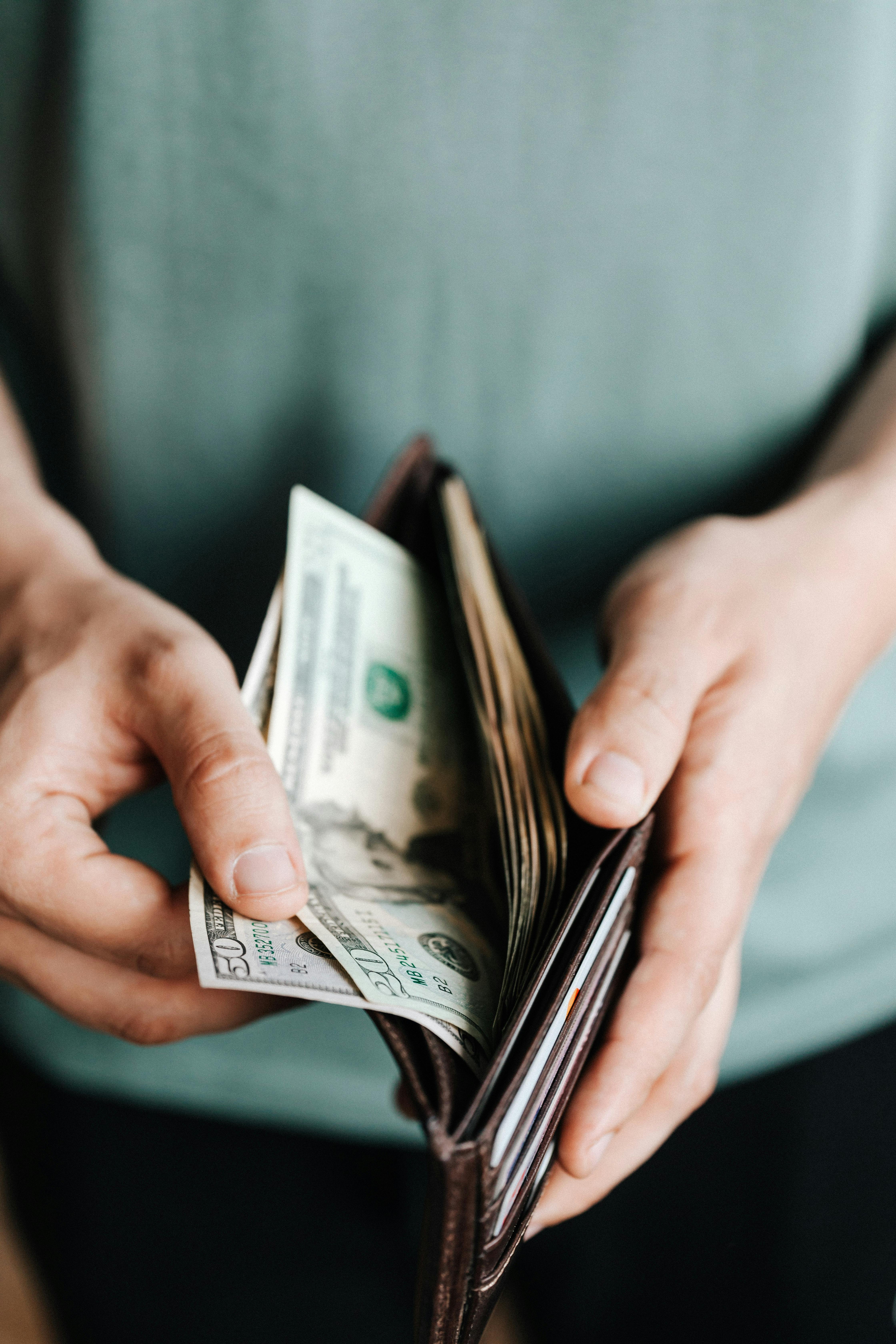
- $1s, $5s, $10s, and $20s
These smaller bills make transactions easier and faster when systems are down.
Store Cash Safely and Securely
Your emergency cash should always be stored in a fire-resistant and water-resistant location—such as a home safe or fireproof lockbox.
Tips for safe storage:
- Avoid keeping all your cash in one place.
- Never disclose your storage location to anyone outside your trusted household.
- Consider dividing it into separate envelopes for specific purposes (fuel, food, medical, transportation).
After an emergency, replace any used funds so your reserve is ready for future events.
Always Take Cash with You When Evacuating
If you must leave home due to evacuation orders, don’t forget your emergency cash supply.
It may be your only reliable payment method along evacuation routes, especially if fuel stations and restaurants are cash-only.
Carry it in a secure, concealed, and easily accessible location—like a money belt, hidden pouch, or locked glove compartment.
Stay Alert and Protect Yourself
Unfortunately, times of crisis can bring out both the best and worst in people. When carrying or using cash:
- Stay aware of your surroundings.
- Avoid displaying large amounts in public.
- Travel in pairs or groups when possible.
- If you suspect danger, move to a well-lit, populated area immediately.
Your safety always comes first.
Final Thoughts
In an emergency, cash becomes more than money—it becomes independence. When power grids, networks, and payment systems fail, your preparedness ensures your family can still meet basic needs without delay.
Take time now to:
✅ Withdraw small bills.
✅ Store them securely.
✅ Refresh your supply after each emergency.
For other essential items—from lighting and generators to first aid, food, and shelter supplies—visit KokosEmergencyProducts.com.
Because being prepared isn’t just about surviving—it’s about staying self-reliant when everything else stops working.