Preparedness isn’t just about having the right emergency supplies—it’s about keeping them fresh, safe, and effective when you need them most. At KokosEmergencyProducts.com, we remind every household that the quiet time between emergencies is the perfect time to review and refresh your stored supplies.
Why Checking Expiration Dates Matters
Emergencies can strike with little warning—hurricanes, tornadoes, blackouts, floods, or wildfires can leave you cut off for days or weeks. You rely on your stored food, water, medical items, and prescriptions to stay safe and healthy.
But if these supplies are expired or spoiled, they can become useless—or even dangerous—right when you need them most.
Checking expiration dates ensures that:
- Your food and water remain safe to consume.
- First aid supplies like antiseptics, ointments, and pain relievers still work effectively.
- Prescription medications are replaced before they lose potency.
What to Inspect and Refresh Regularly
1. Stored Food Supplies
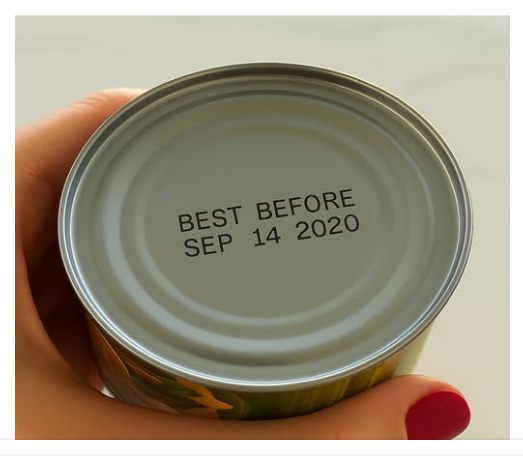
Canned goods, freeze-dried meals, and packaged snacks all have expiration dates. Over time, packaging can degrade, and seals may weaken.
Check for:
- Rusted or bulging cans
- Broken seals or torn packaging
- Expiration or “best by” dates
Tip: Rotate your emergency food by using older items first and replacing them with fresh ones.
2. Bottled and Stored Water
Even sealed bottled water can develop a plastic taste or contamination risk over time.
Check for:
- Cloudiness, leaks, or unusual odor
- Date stamps on bottles or containers
Tip: Replace stored water every 6–12 months and keep purification tablets or filters as a backup.
3. Medical and First Aid Supplies
Medical items lose effectiveness over time. Expired ointments, adhesive bandages, or medications can fail when you need them most.
Inspect:
- Antiseptics, alcohol wipes, and antibiotic creams
- Bandages and gauze (for brittleness or discoloration)
- Over-the-counter medications like pain relievers or antihistamines
Tip: Keep a First Aid Kit Checklist taped to your kit and update it every 6 months.
4. Prescription Medications
During an evacuation or long-term power outage, pharmacies may be closed.
Plan ahead:
- Refill prescriptions early if a storm or event is expected.
- Ask your doctor about emergency refills or extended supplies.
- Store medications in a cool, dry place away from direct sunlight.
When to Do Your Emergency Supply Audit
A good rule of thumb is to check your supplies twice a year—for example:
- Before hurricane or storm season begins
- After an emergency ends (when supplies may have been used or exposed)
You can also make it part of your spring cleaning or New Year’s preparation routine.
Refreshing Your Supply the Smart Way
At KokosEmergencyProducts.com, we carry a full range of fresh emergency essentials, including:
- Long-shelf-life emergency food kits
- Water storage and filtration systems
- Medical and first aid supplies
- Lighting, power, and shelter equipment
By restocking now—when products are available—you’ll avoid the crowds and shortages that always come before the next storm or crisis.
Final Thoughts
Preparedness doesn’t stop once you’ve built your emergency kit—it’s an ongoing commitment. Taking a few minutes to review expiration dates on food, water, and medical items could make all the difference in your safety and comfort when disaster strikes.
Stay proactive. Stay organized. Stay ready—with help from KokosEmergencyProducts.com.
Because the best time to prepare is before the emergency—not during it.