What Can Go Wrong Without Food During an Emergency
Be Ready with KokosEmergencyProducts.com
When disaster strikes — whether it’s a hurricane, tornado, blackout, earthquake, or flood — one of the first resources to disappear is food. Grocery store shelves empty quickly, supply chains are disrupted, and restaurants close due to power loss or unsafe conditions. Without proper preparation, a lack of food can become a serious crisis within days.
At KokosEmergencyProducts.com, we understand how vital it is to prepare before disaster hits. Here’s what can go wrong if you don’t have enough food during an emergency — and how to avoid it.
1. Loss of Energy and Focus
Food provides the energy your body needs to stay alert, warm, and capable of making smart decisions. Without it, fatigue and dizziness set in quickly — impairing your ability to think clearly, communicate, or even move efficiently.
In high-stress situations, this can make the difference between staying safe and making dangerous mistakes.
2. Dehydration and Malnutrition
Many foods contribute to your body’s hydration and nutrition. When food supplies run low, dehydration can occur faster — especially in hot climates or when you’re physically active clearing debris or traveling.
A lack of proper nutrition also weakens your immune system, increasing vulnerability to illness and infection during already difficult times.
3. Emotional and Mental Strain
Hunger adds emotional stress to an already tense situation. Families, especially children and seniors, become irritable, anxious, or lethargic.
Having familiar foods, comfort snacks, or easy-to-prepare meals helps maintain morale and calm, keeping everyone focused on recovery.
4. Unsafe Substitutions
When people run out of safe, packaged food, desperation can lead to consuming spoiled or contaminated food. Without refrigeration, perishable foods spoil quickly. Eating them can result in severe foodborne illnesses that are difficult to treat during an emergency — when medical help may not be available.
5. Limited Cooking and Storage Options
Power outages make it difficult to cook or store food. Without gas or electricity:
Refrigerators stop working, spoiling food within hours.
Microwaves, ovens, and electric stoves are useless.
Safe food preparation becomes a challenge.
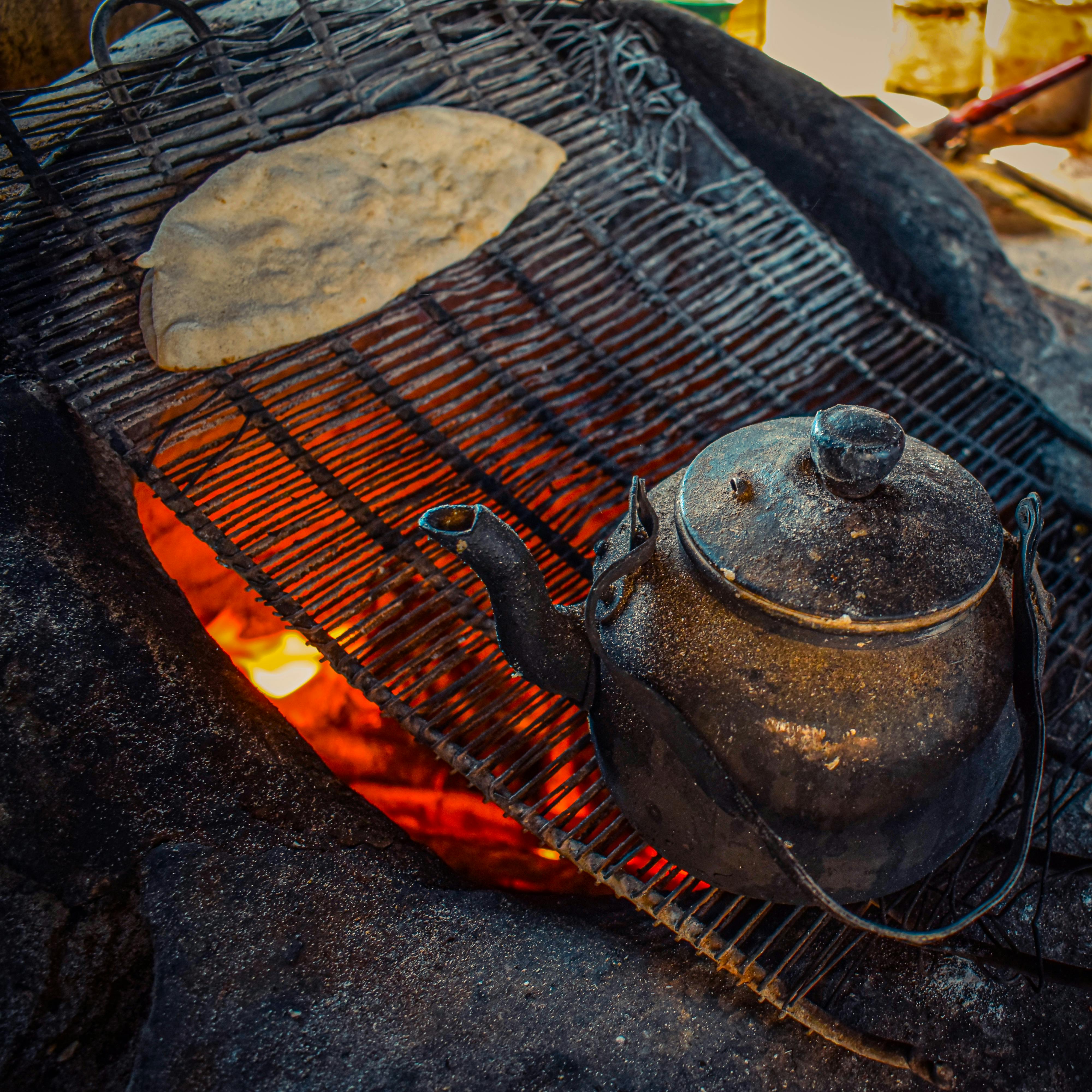
Having ready-to-eat meals (MREs), freeze-dried foods, and manual cooking gear ensures you can still prepare hot, nutritious meals anywhere.
6. Supply Chain Disruptions
During large-scale disasters, delivery trucks can’t reach grocery stores due to:
Flooded or blocked roads
Fuel shortages
Damaged infrastructure
Power outages at warehouses and gas stations
It may take weeks before normal supply chains are restored. A well-stocked pantry bridges that gap and keeps your household secure.
7. Pet Food Shortages
Don’t forget your pets! During emergencies, pet food runs out just as quickly as human food. Stock up on dry or canned pet food and include it in your emergency supply rotation.
Be Prepared with Long-Term Food Supplies
To stay safe and ready for any crisis:
Store non-perishable foods like rice, beans, canned vegetables, peanut butter, and energy bars.
Include ready-to-eat meals and freeze-dried foods for easy preparation.
Rotate supplies every few months and check expiration dates.
A little preparation now can prevent hardship later.
Prepare Now — Eat Well, Stay Strong
Don’t wait until an emergency hits to think about food.
Build your long-term food storage plan today with reliable options from:
👉 KokosEmergencyProducts.com
Your trusted source for emergency food kits, preparedness gear, and survival essentials.