When hurricane season ends and the holidays pass, many people relax and put emergency preparedness on the back burner. Ironically, this “quiet” off-season is the absolute best time to prepare — especially for long-term, higher-cost emergency projects that require planning, contractors, permits, and financing.
Once a storm is forecast, it’s already too late. Prices surge, materials become scarce, contractors are booked solid, and decisions are rushed. Preparing before the next emergency allows you to protect your family, your home, and your finances with far less stress.
At KokosEmergencyProducts.com, we encourage proactive planning — and the off-season is when the smartest preparations happen.
Why the Off-Season Matters
✔ Contractors are more available
✔ Equipment and materials are easier to find
✔ Prices are often lower
✔ Financing options are more accessible
✔ Projects can be completed correctly, not hurried
✔ You’re prepared long before the next emergency hits
Now is the time to invest in projects that cannot be done overnight.
Critical Long-Term Emergency Projects to Do in the Off-Season
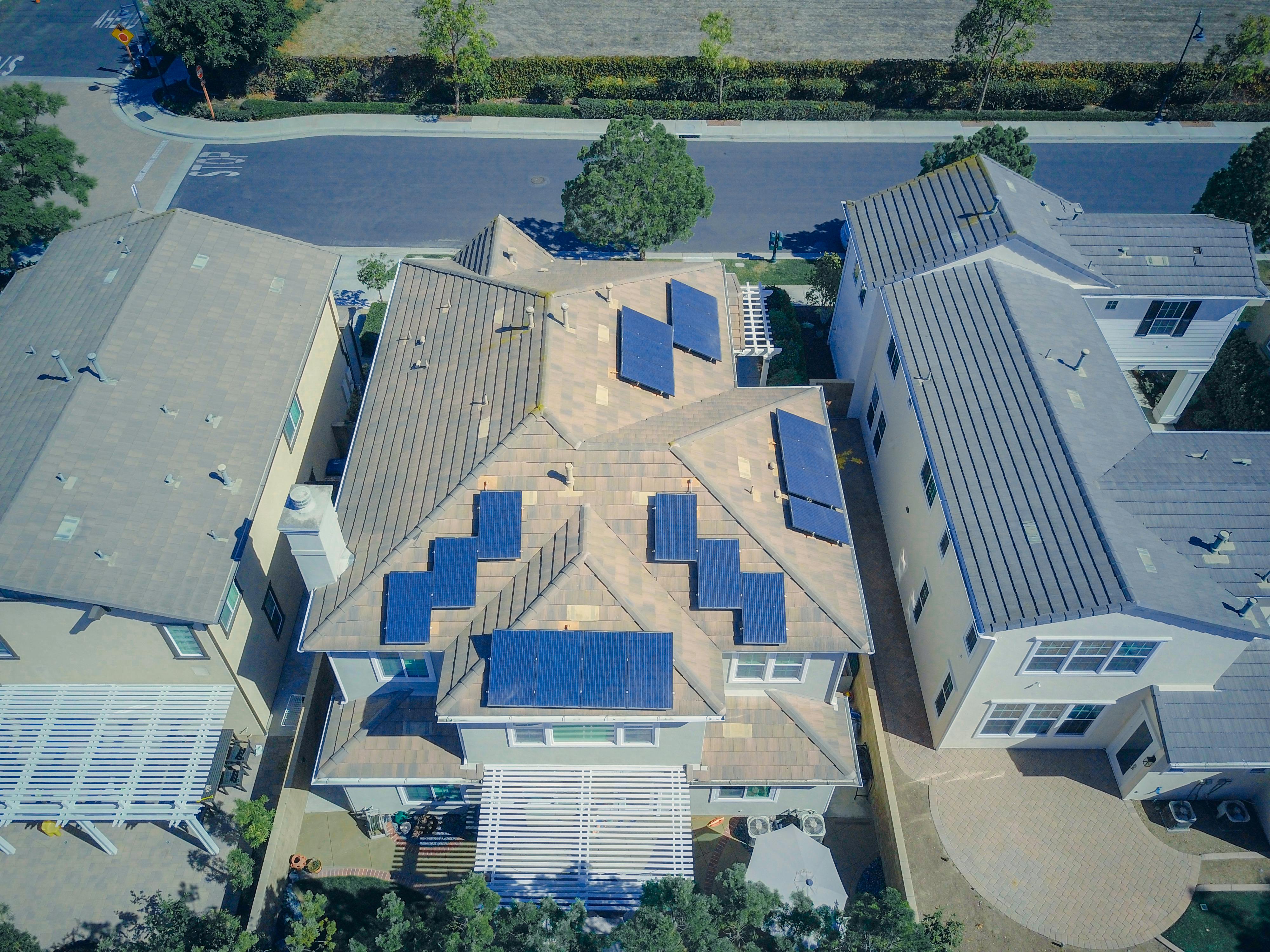
☀️ 1. Installing Solar Panels
Solar power provides energy independence during blackouts caused by hurricanes, tornadoes, ice storms, or grid failures.
Benefits:
Power essential appliances during outages
Reduce dependence on fuel deliveries
Lower monthly electric bills year-round
Systems can be built gradually, starting small
Many government incentives and financing programs are available
Solar installations take planning, inspections, and approvals — perfect for off-season timing.
⚡ 2. Whole-House Generators
A whole-house generator can keep your home operational during extended outages.
Supports:
Refrigerators and freezers
Medical equipment
Lights and security systems
Internet and communications
Heating or cooling
Generators require proper sizing, fuel planning, and professional installation — none of which should be rushed during a storm warning.
🪟 3. Securing Windows and Doors
Wind, pressure changes, and flying debris cause most structural damage during storms.
Improvements include:
Impact-resistant windows
Reinforced doors
Storm shutters
Garage door bracing
Strengthening your home envelope protects lives, prevents water intrusion, and reduces costly repairs.
🌳 4. Tree Trimming and Tree Removal
Trees are a major cause of:
Roof damage
Blocked roads and driveways
Downed power lines
Trapped emergency responders
Removing dead or overhanging trees during calm weather prevents dangerous situations during storms when crews may not be available for weeks.
🚧 5. Building Drainage Ditches Along Roads
Flooding often begins before water reaches the house — especially in neighborhoods with poor drainage.
Proper roadside ditches:
Redirect stormwater away from homes
Keep roads passable for evacuation and responders
Prevent water from pooling near foundations
These projects require equipment and planning that are best handled when conditions are dry.
🌊 6. Reinforcing Rain Runoff Channels & Flash Flood Protection
Heavy rains and flash flooding can overwhelm natural drainage paths.
Reinforcement may include:
Clearing and widening channels
Adding barriers or grading
Installing culverts or pumps
Protecting low-lying entry points
Flash floods develop fast — but protection takes time.
Preparedness Is an Investment, Not a Panic Purchase
Major emergency projects:
Increase property value
Lower insurance risk
Improve daily comfort and efficiency
Reduce emergency repair costs
Protect lives and livelihoods
Doing this work after an emergency is slower, more expensive, and far more stressful.
Prepare Now. Thank Yourself Later.
Emergencies don’t announce themselves — but they follow patterns.
The off-season is your opportunity to prepare calmly, thoroughly, and wisely.
At KokosEmergencyProducts.com, we support preparedness before, during, and after emergencies — starting with smart planning today.