Prepare for Electrical Outages at Any Time of the Year
Power Failures Are Not Seasonal — Preparedness Shouldn’t Be Either
Many people associate power outages with hurricanes or winter storms, but the reality is that electrical outages can occur at any time of the year, often without warning. Power failures may be local, neighborhood-wide, or regional, lasting from a few hours to several weeks depending on the cause.
At KokosEmergencyProducts.com, we strongly encourage households, caregivers, and businesses to prepare before the lights go out — because once the power fails, options become limited very quickly.
Common Causes of Electrical Outages
Electrical outages are caused by far more than major storms. Some of the most common causes include:
- Equipment failure inside or outside your home
- Traffic accidents striking power poles or transformers
- Thunderstorms and lightning
- Strong winds
- Ice or snow accumulation on power lines
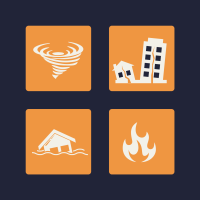
- Hurricanes and tropical storms
- Tornadoes
- Flooding and storm surges
- Earthquakes
- Overloaded power grids during extreme heat or cold
Many of these events happen unexpectedly, leaving little or no time to prepare.
What Happens When the Power Goes Out
When electricity fails, multiple systems shut down at once:
- No lighting inside or outside the home
- Refrigerators and freezers stop working
- Internet, Wi-Fi, and cable may fail
- Cell phone towers may become overloaded or lose power
- Medical devices may stop functioning
- Elevators and powered doors may not operate
- Gas stations, stores, banks and ATMs may close
- Traffic lights stop working, increasing accident risk
For short outages this may be inconvenient. For longer outages, it can quickly become dangerous.
Higher Risk for People with Medical and Mobility Challenges
Electrical outages are especially critical for individuals who rely on powered medical equipment, including:
- Oxygen concentrators
- CPAP or BiPAP machines
- Dialysis or infusion equipment
- Powered hospital beds
- Refrigerated medications
- Mobility devices such as powered wheelchairs or scooters
When power is lost:
- Medical devices may stop functioning
- Batteries may drain quickly
- Caregivers may need to manually assist with movement
- Elevators may be unusable
- Evacuation becomes far more difficult
Families should never assume emergency first responders will be able to reach them quickly, especially when roads are blocked, flooded, or gridlocked.
Evacuation Challenges During Power Outages
Evacuating without power presents additional obstacles:
- Wheelchairs, gurneys, and stretchers may require manual lifting
- Vehicles may need special access or ramps
- Traffic congestion increases when signals are out
- Fuel availability may be limited
- Medical transport services may be overwhelmed
Planning ahead for mobility assistance, transport vehicles, and evacuation equipment can make the difference between safety and crisis.
How to Prepare Before the Outage Happens
⚡ Backup Power Options
- Portable inverter generators for clean power
- Whole-house generators
- Solar power with battery storage
- Power banks for phones and medical devices
🔦 Lighting & Visibility
- Battery-operated lanterns and flashlights
- Headlamps for hands-free mobility
- Extra batteries stored safely
📡 Communication
- Emergency radios (battery, solar, or hand crank)
- Backup charging for cell phones
- Walkie-talkies for short-range communication
🧊 Food & Medication Protection
- Coolers and ice packs
- Emergency food that requires no refrigeration
- Plans for medication refrigeration alternatives
🧑🦽 Mobility & Medical Planning
- Manual wheelchairs as backup
- Transfer boards or assistive lifting tools
- Clearly labeled medical emergency information
- Pre-identified evacuation routes and destinations
Plan for Hours — But Prepare for Days or Weeks
Power restoration timelines vary. Some outages are resolved quickly; others may last days or weeks, especially after major storms or regional grid failures.
Preparedness means:
- Having backup power
- Reducing dependence on electricity
- Knowing how to evacuate safely
- Protecting the most vulnerable household members
Preparedness Is Responsibility — Not Fear
Electrical outages are a fact of modern life. Preparing does not mean panic — it means responsibility, foresight, and care for those who depend on us.
At KokosEmergencyProducts.com, we are committed to helping families prepare before, during, and after emergencies with the right tools, equipment, and knowledge.
Be ready — because the next outage may not wait for the season.
Year-round electrical outage preparedness
For Further Research google under the following topics
- prepare for power outages
- electrical outage preparedness
- emergency power outage planning
- power outage emergency supplies
- blackout preparedness
- power outages any time of year
- backup power for medical equipment
- emergency supplies for power failure
- generator for power outages
- solar power during blackouts
- emergency lighting during outages
- hurricane power outage preparation
- winter storm power outage safety
- medical disability emergency planning
- evacuation planning for disabled persons
- mobility assistance during emergencies
- emergency products for power outages
Electrical outages can happen any time due to storms, accidents, or grid failures. Learn how to prepare with backup power, lighting, communication tools, and mobility solutions—especially for those with medical needs.
- Generators
- Solar power products
- Emergency lighting
- Medical emergency supplies
Below are ready-to-drop-in call-to-action (CTA) sections you can insert into the Electrical Outage Preparedness blog on KokosEmergencyProducts.com. These are written to educate, convert, and guide shoppers without sounding salesy.
🔌 Recommended Emergency Products for Electrical Outages
⚡ Backup Power Solutions
When the grid fails, having an independent power source keeps your home safe and functional.
Recommended products:
- Portable inverter generators for clean, stable power
- Whole-house generators for extended outages
- Solar generators and battery power stations
Use for:
- Refrigerators & freezers
- Medical equipment
- Internet & Wi-Fi
- Cell phone charging
- Lighting & security systems
👉 Explore Backup Power Options
🔦 Safe Lighting During Blackouts
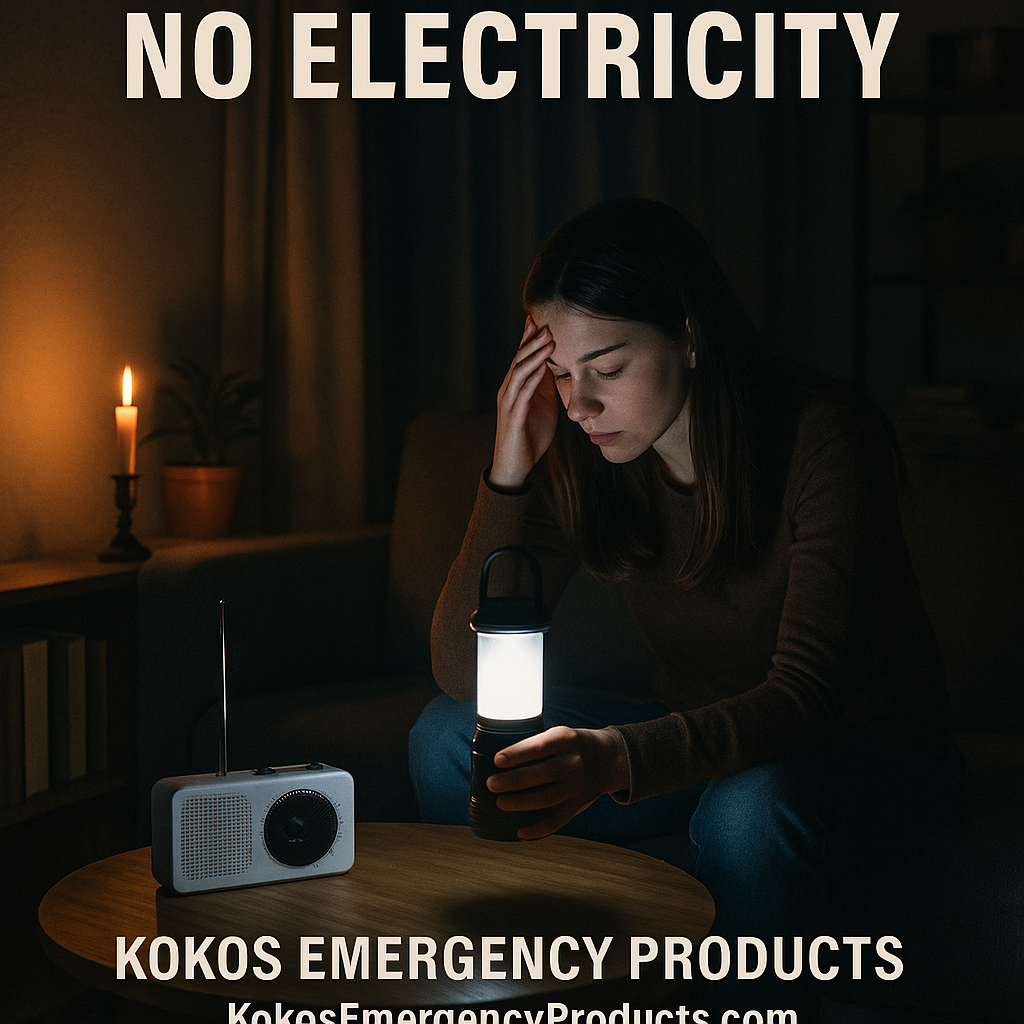
Candles increase fire risk during outages. Battery-powered lighting is safer and more reliable.
Recommended products:
- Battery-operated lanterns
- High-lumen flashlights
- Headlamps for hands-free mobility
- Extra batteries stored in waterproof containers
Ideal for:
- Homes with boarded windows which also block light
- Stairways and hallways
- Nighttime evacuations
👉 Shop Emergency Lighting
📡 Communication & Alert Monitoring
Staying informed can save lives during fast-moving emergencies.
Recommended products:
- NOAA emergency radios (battery, solar, hand crank)
- Power banks for phones and tablets
- Walkie-talkies for short-range communication
- GPS air tags or equivalent for each family member and pet
Helps you:
- Monitor weather alerts
- Receive evacuation orders
- Communicate when cell networks are overloaded
👉 View Emergency Communication Gear
🧊 Food & Medication Protection
Outages disrupt refrigeration and food access.
Recommended products:
- Emergency food kits (no refrigeration required)
- Coolers and ice packs
- Water storage containers and purification tools
Critical for:
- Prescription medications
- Special dietary needs
- Families sheltering in place
👉 Prepare Food & Water Supplies
🧑🦽 Mobility & Medical Preparedness
Power outages are especially dangerous for those with medical or mobility needs.
Recommended products:
- Manual wheelchairs as backup
- Transfer and lifting aids
- Emergency medical kits
- Clearly labeled medical emergency forms
Important considerations:
- Plan for manual evacuation
- Identify accessible transportation
- Store medical information where first responders can find it on RED CROSS I.C.E. forms
👉 Browse Medical & Mobility Emergency Supplies
✅ Summary
Electrical outages are not seasonal. They can occur any day of the year — often without warning. Preparing in advance ensures safety, dignity, and independence when systems fail.
At KokosEmergencyProducts.com, we provide the tools families need to prepare before, during, and after emergencies.
Electrical Outage Preparedness Checklist
✅ Electrical Outage Preparedness Checklist
Use this before an outage — not during one
⚡ Power & Energy
- ☐ Portable inverter generator or whole-house generator
- ☐ Solar generator or battery power station
- ☐ Extension cords rated for outdoor/indoor use
- ☐ Fuel safely stored (rotated and stabilized)
- ☐ Power banks fully charged
🔦 Lighting & Visibility
- ☐ Battery-operated lanterns (one per room)
- ☐ Flashlights and/or headlamps
- ☐ Extra batteries stored in waterproof container
- ☐ Night lights for hallways and bathrooms
- ☐ Lanterns for inside boarded up windows
📡 Communication & Alerts
- ☐ NOAA weather radio (battery/solar/hand crank)
- ☐ Cell phones charged
- ☐ Walkie-talkies for local communication
- ☐ List of emergency contacts written on paper
- ☐ County Emergency Announcement Alerts and All Clear Alerts
🧊 Food, Water & Medication
- ☐ Emergency food (no refrigeration required)
- ☐ Manual can opener
- ☐ Water stored (1 gallon per person per day)
- ☐ Water purification method
- ☐ Coolers and ice packs for medications
- ☐ Backup plan for refrigerated prescriptions
🧑🦽 Medical & Mobility Needs (Critical)
- ☐ Backup power for medical equipment
- ☐ Manual wheelchair or mobility backup
- ☐ Transfer or lifting aids if needed
- ☐ Medical emergency forms filled out and dated
- ☐ Evacuation transport plan for disabled persons
🚗 Evacuation Readiness
- ☐ Vehicle fueled and maintained
- ☐ Extra fuel stored safely
- ☐ Paper maps available
- ☐ Bug-out bags ready for each person
- ☐ Pet supplies packed (food, leash, carrier)
🏠 Home Safety
- ☐ Surge protectors installed
- ☐ Smoke & CO detectors working
- ☐ Fire extinguisher accessible
- ☐ Doors and windows secured
- ☐ Outdoor hazards cleared
🛑 Important Reminder
Do not wait for an outage warning to prepare.
Traffic accidents, equipment failures, storms, and grid overloads can shut power off without notice.
Preparedness protects:
- Your safety
- Your independence
- Your most vulnerable family members