How to Protect Your Food Before a Blackout: Simple Steps That Save Money, Time, and Stress
When severe weather, grid failures, or disasters strike, one of the first concerns is food safety. A blackout can happen without warning—and once the power goes out, the clock starts ticking on how long your refrigerator and freezer can safely hold your food.
But the good news is this:
Most food loss during power outages is preventable if you take a few steps before the blackout happens.
At Koko’s Emergency Products, we specialize in practical preparedness solutions. Below are smart, simple strategies to help protect your family’s food supply long before the lights go out.
1. Freeze What You Can—Before You Need It
Your freezer is your strongest tool in a blackout.
What to do:
Freeze meats, leftovers, bread, and other perishables ahead of time.
Freeze bottles of water or store-bought ice packs—these act as “thermal batteries.”
Keep your freezer organized so cold air stays consistent.
Why it matters:
A full freezer stays cold about 48 hours without power, while a half-full freezer lasts around 24 hours. Pre-frozen items help stretch that time.
2. Lower Your Fridge and Freezer Temperatures
Before a storm or power threat, immediately turn the thermostat to the coldest safe setting.
Set to:
Refrigerator: 34–37°F (1–3°C)
Freezer: 0°F (-18°C)
Why it helps:
Starting with colder temps adds extra hours of safe food storage during an outage.
3. Prepare Ice Packs, Ice Bags & Cold Sources
Ice is one of the most valuable resources during a blackout.
Prepare:
Reusable ice packs
Bags of ice
Frozen water bottles
Frozen juice pouches
Tip: Pack unused freezer space with frozen water bottles—they keep temperatures low and provide clean drinking water later.
4. Stock Up on Non-Perishable Foods
Even with preparation, perishable food may not survive a long outage. Every household should have:
Canned meats, soups, vegetables, beans
Ready-to-eat meals (MREs)
Dry goods: rice, pasta, oats
High-energy snacks: granola bars, nuts
Shelf-stable milk or plant-based milks
Peanut butter and spreads
Koko’s Emergency Products offers curated emergency food kits designed for long-term shelf life—ideal for families, RVs, cabins, or emergency bins.
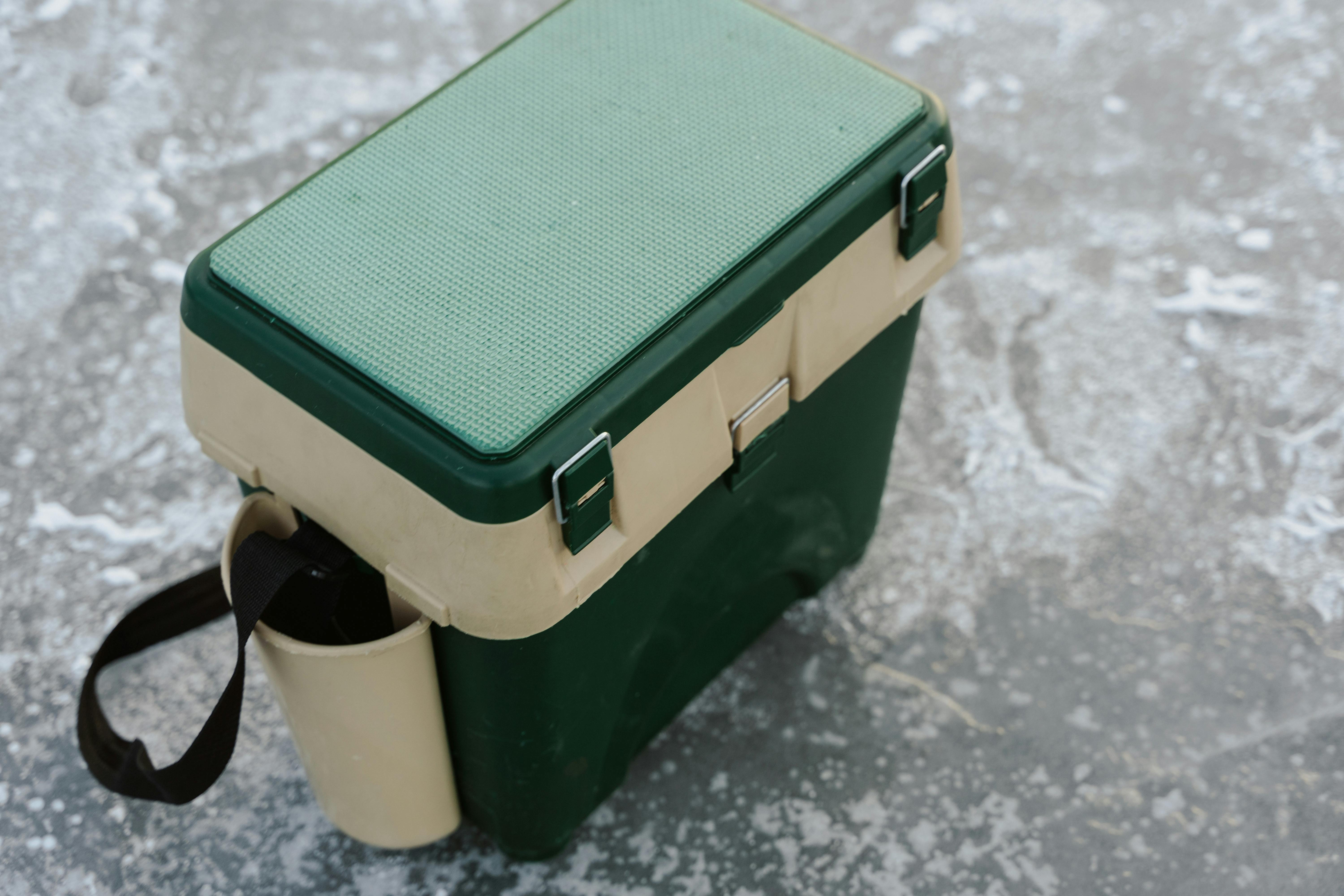
5. Keep Coolers Ready for Backup Cooling
A heavy-duty cooler becomes critical during multi-day blackouts.
Prepare:
One large insulated cooler
Several smaller coolers for separating foods
Frozen ice packs stored year-round
Use coolers to transfer the most important foods only after the refrigerator can no longer maintain safe temps.
6. Don’t Open the Doors Once the Power Goes Out
This isn’t something you do before, but it’s essential to remember:
Every fridge or freezer door opening can cost hours of cooling retention.
Tell your family ahead of time:
“Once the power goes out, don’t touch the fridge unless absolutely necessary.”
7. Label Your Foods for Faster Decisions
Before an outage, take a few minutes to:
Label cooked foods with dates
Place essentials in easy-to-reach zones
Move older items to the front
This reduces time spent searching later—protecting food temperature and safety.
8. Have a Backup Cooking Method Ready
If you save the food but can’t cook it, it will still go to waste. Always prepare:
Propane stove
Camping stove
BBQ grill
Rocket stove
Charcoal and lighters
Fire-safe cookware
(And always cook outdoors for safety.)
9. Keep a Food Thermometer Handy
During an outage, the only safe rule is this:
"When in doubt, check the temperature."
Food is unsafe after reaching 40°F (4°C) for more than 2 hours.
A simple thermometer can save hundreds of dollars in food—and prevent illness.
Blackouts are becoming more common due to storms, grid instability, and extreme temperatures. The time to protect your food is before disaster hits—not after.
With simple preparation:
You save money
You reduce stress
You keep your family safe
At Koko’s Emergency Products, we provide the emergency food, gear, and tools you need to be ready before the unexpected happens.