• Blog
  • Account
  • Checkout
Kokos Emergency Products
  • Consumer Electronics
  • Sports & Outdoors
  • Homes & Shelter
  • Evacuation
  • Safety & Survival
  • Water
  • Cooking & Food
  • Fire
  • Radios
  • SOS Signaling Materials
  • Electronics
  • Camping & Hiking
  • Facilities
  • Outdoor
  • Clothing
  • Medical Supplies
  • Health & Beauty
  • Pets
  • Sports
  • Gifts
  • Security
  • Communications
  • Consumer Electronics
  • Sports & Outdoors
  • Homes & Shelter
  • Evacuation
  • Safety & Survival
  • Water
  • Cooking & Food
  • Fire
  • Radios
  • SOS Signaling Materials
  • Electronics
  • Camping & Hiking
  • Facilities
  • Outdoor
  • Clothing
  • Medical Supplies
  • Health & Beauty
  • Pets
  • Sports
  • Gifts
  • Security
  • Communications

Shop By Category:

  • Consumer Electronics
  • Sports & Outdoors
  • Homes & Shelter
  • Evacuation
  • Safety & Survival
  • Water
  • Cooking & Food
  • Fire
  • Radios
  • SOS Signaling Materials
  • Electronics
  • Camping & Hiking
  • Facilities
  • Outdoor
  • Clothing
  • Medical Supplies
  • Health & Beauty
  • Pets
  • Sports
  • Gifts
  • Security
  • Communications

Shop By Brand:

  • VEWIOR
  • VEVOR
  • Flashfish
Home > Blog > How to Assist Non-Ambulatory Individuals During Emergencies

How to Assist Non-Ambulatory Individuals During Emergencies

How to Assist Non-Ambulatory Individuals During Emergencies
Mike Trimis
November 17th, 2025

How to Assist Non-Ambulatory Individuals During Emergencies

KokosEmergencyProducts.com – Because Everyone Deserves Safety

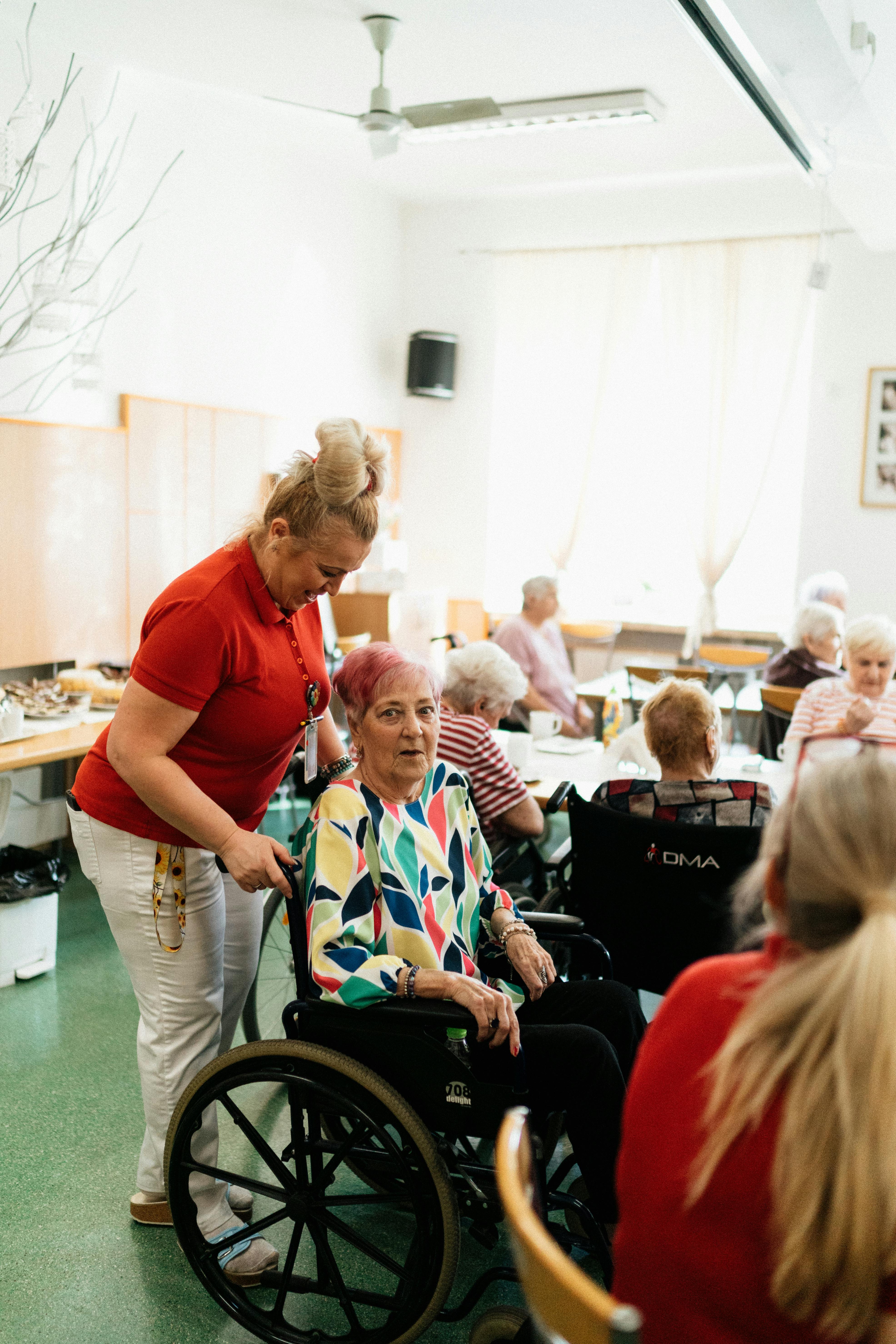
During disasters such as hurricanes, tornadoes, floods, wildfires, blackouts, and evacuations, some individuals face far greater challenges than others. Non-ambulatory people — those who cannot walk or have very limited mobility — rely heavily on caregivers, neighbors, and emergency personnel for safe evacuation and survival.

Planning ahead is essential. At KokosEmergencyProducts.com, we believe that preparedness must include the most vulnerable members of our community. Here is how you can prepare, assist, and protect non-ambulatory individuals before, during, and after an emergency.


1. Understand Their Specific Needs

Every non-ambulatory person has unique requirements. Some use wheelchairs, scooters, walkers, or specialized medical equipment. Others may be bedridden or require frequent medical help.

Before an emergency:

  • Know their daily routine and essential needs.

  • Understand how they transfer: bed → wheelchair, wheelchair → toilet, etc.

  • Identify their medications and medical devices.

  • Make a list of all equipment that requires electricity (oxygen machines, lifts, chargers, etc.).

  • Keep medical and personal care items easily accessible.

This information will guide every decision you make during a crisis.


2. Create a Customized Emergency Plan

A standard evacuation plan is not enough. For a non-ambulatory person, tailor the plan to include:

  • How to evacuate safely (with personal vehicles, wheelchair vans, or ambulance transport).

  • Who will assist if caregivers are unavailable.

  • Two or more evacuation routes that can accommodate wheelchairs or mobility devices.

  • Backup transportation options such as:

    • Collapsible wheelchairs

    • Mobility scooters with charged batteries

    • Portable ramps

    • Transfer boards

Add these details to their In Case of Medical Emergency Form, placed in a visible spot (like the refrigerator).


3. Prepare an Emergency Kit Specifically for Them

Alongside standard evacuation supplies, non-ambulatory individuals require specialized items:

  • Extra wheelchair batteries

  • A manual wheelchair in case powered devices fail

  • Transfer straps, gait belts, or slide boards

  • Skin-protection items (barrier cream, gloves, wipes)

  • Medications with copies of prescriptions

  • Portable oxygen (if needed)

  • Emergency blankets and cushions

  • Non-spill water bottles

  • Easy-to-eat shelf-stable food

Having these items ready reduces stress and saves valuable time.


4. Plan for Power Loss

Power outages severely affect non-ambulatory individuals who rely on electric:

  • Wheelchairs

  • Hospital beds

  • Lift devices

  • Breathing equipment

  • Refrigerated medications

  • CPAP or BiPAP machines

Prepare by:

  • Having a portable generator or backup battery supply

  • Storing extension cords and surge protectors

  • Knowing how to manually operate powered medical beds

  • Keeping a manual wheelchair or walker accessible

Backup power keeps essential equipment functioning when it matters most.


5. Evacuate Early — Never Wait Until the Last Minute

Evacuation takes longer and requires more coordination for non-ambulatory individuals. Roads may flood, elevators may shut down, and emergency responders may be overwhelmed.

To stay safe:

  • Leave when authorities issue the first evacuation recommendation, not the final order.

  • Avoid high-traffic evacuation times if possible.

  • Ensure mobility equipment is charged, packed, or securely fastened inside the vehicle.

Early evacuation is one of the greatest protections you can provide.


6. Keep Communication Devices Ready

Communication is critical during emergencies. Prepare:

  • Fully charged phones and backup battery banks

  • Walkie-talkies in case cell towers fail

  • A written list of emergency contacts

  • Medical information sheets

  • Location trackers (for individuals with cognitive impairments)

Staying connected saves lives.


7. After Returning Home — Assess Conditions Carefully

Once it is safe to return:

  • Check for structural damage or hazards around the home.

  • Ensure the power supply is stable before reconnecting powered equipment.

  • Test ramps, elevators, and pathways for safety.

  • Clean debris from entryways to ensure wheelchair access.

  • Monitor the individual for signs of stress, fatigue, or medical complications.

Post-disaster recovery is especially demanding for non-ambulatory individuals.


Preparedness Protects Everyone

Assisting non-ambulatory individuals requires foresight, compassion, and proper equipment. Whether you are a caregiver, family member, neighbor, or community volunteer, your planning can make the difference between safety and danger.

Browse our selection of emergency supplies, generators, lighting, mobility accessories, and medical preparedness gear at:

👉 KokosEmergencyProducts.com
Your trusted source for preparedness before, during, and after emergencies.
Information

  • About Us
  • Contact Us
  • Shipping & Returns
  • Privacy Policy
  • Terms & Conditions

My Account

  • My Account
  • Order History
  • Track Orders
  • Address Book

Secure Payments

© Kokos Emergency Products. All Rights Reserved.
Our website uses cookies to make your browsing experience better. By using our site you agree to our use of cookies. Learn More I Agree
× What Are Cookies As is common practice with almost all professional websites this site uses cookies, which are tiny files that are downloaded to your computer, to improve your experience. This page describes what information they gather, how we use it and why we sometimes need to store these cookies. We will also share how you can prevent these cookies from being stored however this may downgrade or 'break' certain elements of the sites functionality. For more general information on cookies see the Wikipedia article on HTTP Cookies. How We Use Cookies We use cookies for a variety of reasons detailed below. Unfortunately in most cases there are no industry standard options for disabling cookies without completely disabling the functionality and features they add to this site. It is recommended that you leave on all cookies if you are not sure whether you need them or not in case they are used to provide a service that you use. Disabling Cookies You can prevent the setting of cookies by adjusting the settings on your browser (see your browser Help for how to do this). Be aware that disabling cookies will affect the functionality of this and many other websites that you visit. Disabling cookies will usually result in also disabling certain functionality and features of the this site. Therefore it is recommended that you do not disable cookies. The Cookies We Set
Account related cookies If you create an account with us then we will use cookies for the management of the signup process and general administration. These cookies will usually be deleted when you log out however in some cases they may remain afterwards to remember your site preferences when logged out. Login related cookies We use cookies when you are logged in so that we can remember this fact. This prevents you from having to log in every single time you visit a new page. These cookies are typically removed or cleared when you log out to ensure that you can only access restricted features and areas when logged in. Form related cookies When you submit data to through a form such as those found on contact pages or comment forms cookies may be set to remember your user details for future correspondence. Site preference cookies In order to provide you with a great experience on this site we provide the functionality to set your preferences for how this site runs when you use it. In order to remember your preferences we need to set cookies so that this information can be called whenever you interact with a page is affected by your preferences.
Third Party Cookies In some special cases we also use cookies provided by trusted third parties. The following section details which third party cookies you might encounter through this site.
This site uses Google Analytics which is one of the most widespread and trusted analytics solution on the web for helping us to understand how you use the site and ways that we can improve your experience. These cookies may track things such as how long you spend on the site and the pages that you visit so we can continue to produce engaging content. For more information on Google Analytics cookies, see the official Google Analytics page. We also use social media buttons and/or plugins on this site that allow you to connect with social network in various ways. For these to work, the social networks may set cookies through our site which may be used to enhance your profile on their site, or contribute to other purposes outlined in their respective privacy policies.