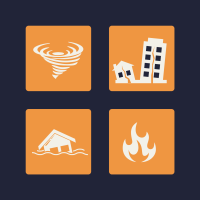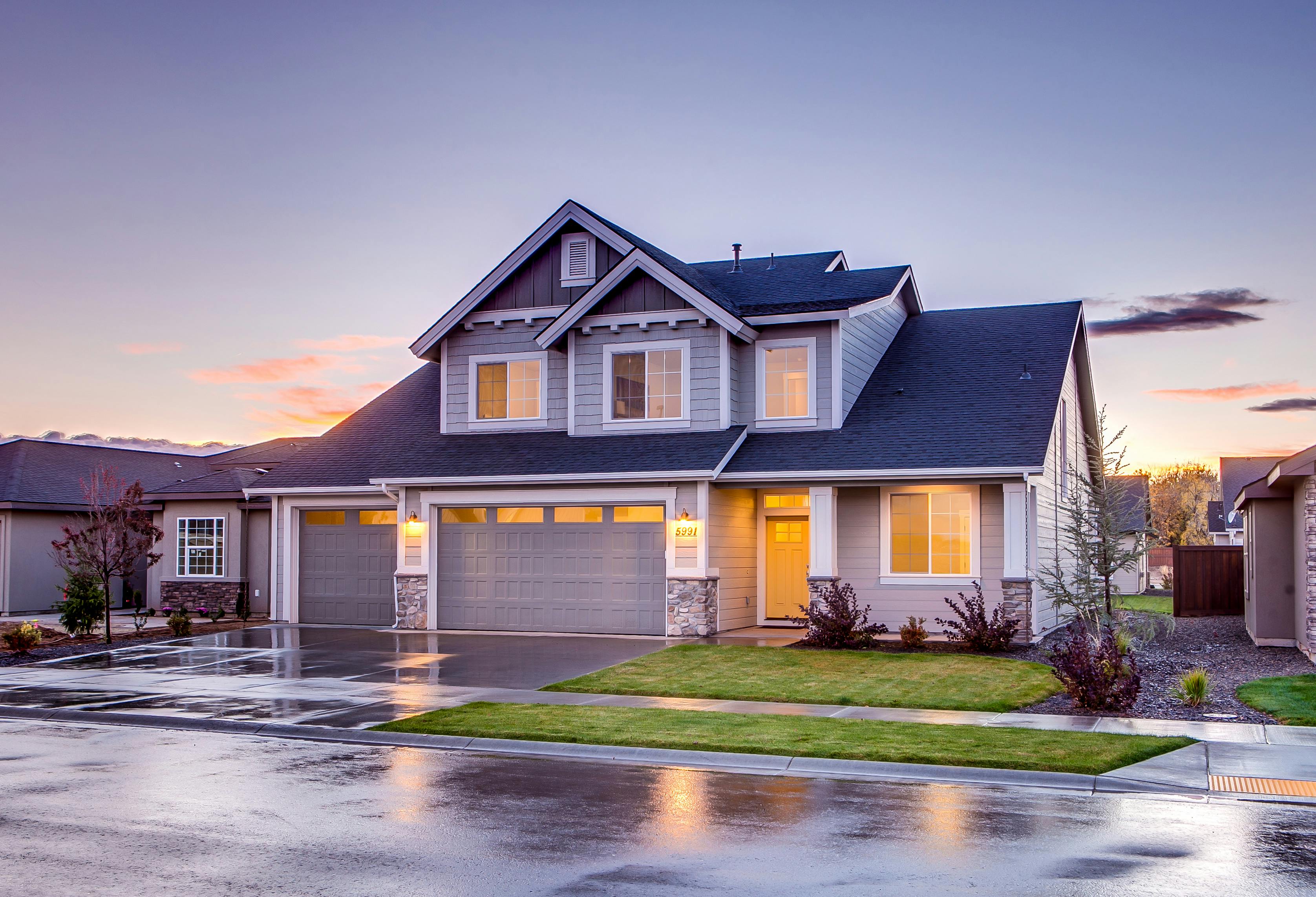
Disasters often strike with little warning. Hurricanes, tornadoes, floods, wildfires, earthquakes, severe storms, and even extended blackouts can damage a home in ways many people don’t expect. Once power is lost and first responders are overwhelmed, you and your family become your own first line of defense.
Understanding how disasters damage homes helps you prepare ahead of time, reduce loss, and recover faster.
Potential Damage to Homes During Hurricanes and Severe Storms
High winds and wind-driven rain can cause:
Roof Damage or Loss of Shingles
Broken Windows or Doors
Flooding Through Leaks or Structural Gaps
Siding and Exterior Wall Damage
Fallen Trees on Homes, Vehicles, Fences, and Power Lines
Even homes built to strong building codes can experience:
Water entering from roof vents
Attic rain soaking insulation
Mold within 48 hours of moisture exposure
Blocked driveways from fallen trees, preventing evacuation or return
Damage from Tornadoes
Tornadoes can form quickly, sometimes with little advance warning. Risks include:
Complete roof removal
Structural collapse
Flying debris breaking windows and walls
Vehicles lifted or thrown
Blocked roads and damaged neighborhoods
Even if your home is not directly hit, nearby damage may cut off utilities, roads, and access to help.
Blackouts and Power Grid Failures
Power outages can last from hours to weeks depending on severity. During this time:
Refrigerators and freezers stop working, causing food spoilage
Air conditioning and heating fail, making homes uncomfortable or unsafe
Medical devices cannot function without backup power
Communication systems fail, causing isolation
Traffic and street lights stop working, increasing road dangers
A portable inverter generator or solar battery power system can keep critical appliances running.
Flooding and Storm Surge Damage
Floodwater brings more than just water — it carries debris, mud, chemicals, and bacteria.
Flooding can cause:
Foundation damage
Floor and wall saturation
Mold growth
Electrical system damage
Sewage backup
Once water enters your home, cleanup is physically and emotionally demanding.
Wildfire and Heat Damage
Even if flames do not reach your home, extreme heat and smoke can cause:
Melting of exterior materials
Contaminated indoor air quality
Damage to ventilation and HVAC systems
Power outages for entire regions
Preparing defensible space and storing respiratory masks is essential.
Earthquake Vulnerability
Even small quakes can damage:
Gas lines
Water pipes
Chimneys
Foundations
Glass windows
Emergency shutoff tools and repair supplies should be part of your home kit.
How to Prepare Your Home in Advance
| Protection Action | Benefit |
|---|---|
| Install window and door storm shutters | Prevent debris breakage and rain intrusion |
| Trim trees away from home | Reduce risk of roof destruction |
| Store tarps and repair supplies | For immediate temporary sealing of damage |
| Keep emergency food, water, and lighting kits | Maintain stability during blackout |
| Have evacuation and return plans | Ensures family safety and organization |
Essential Products to Consider
Available at KokosEmergencyProducts.com
Storm shutters and window protection kits
Portable inverter generators
Flashlights, lanterns, and battery backup power banks
Emergency food and water storage
First aid and sanitation kits
Tents and temporary shelter supplies
Waterproof tarps and sandbags
Prepare Today — Rebuild Easier Tomorrow
Your home is one of your most valuable assets. With the right precautions and supplies, you can protect your property, reduce damage, and recover faster.
Visit us at:
👉 https://www.kokosemergencyproducts.com
Be ready. Stay safe. Stand resilient.